Oh, the Gall! Gall-making Wasps
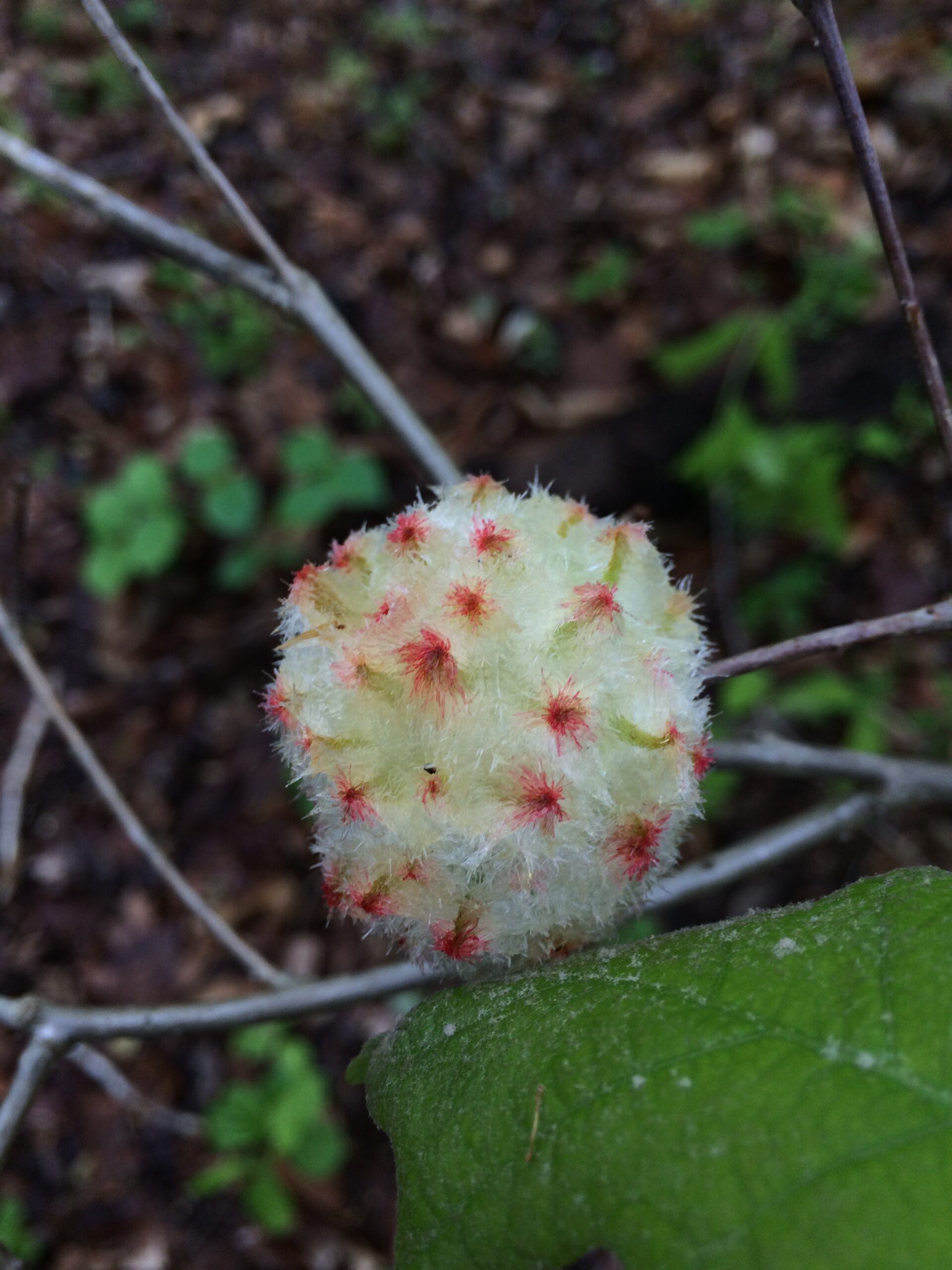
Have you seen a weird lump, bump, and/or projection growing off a leaf or stem of a plant? If so, you might have encountered a gall which is an abnormal growth of plant tissue caused by an invertebrate, fungi, and/or bacteria. Gall-making invertebrates secrete chemicals (like proteins) as they feed, causing plant tissue to form the tumor-like gall. These galls can come in all different sizes, shapes, and colors!
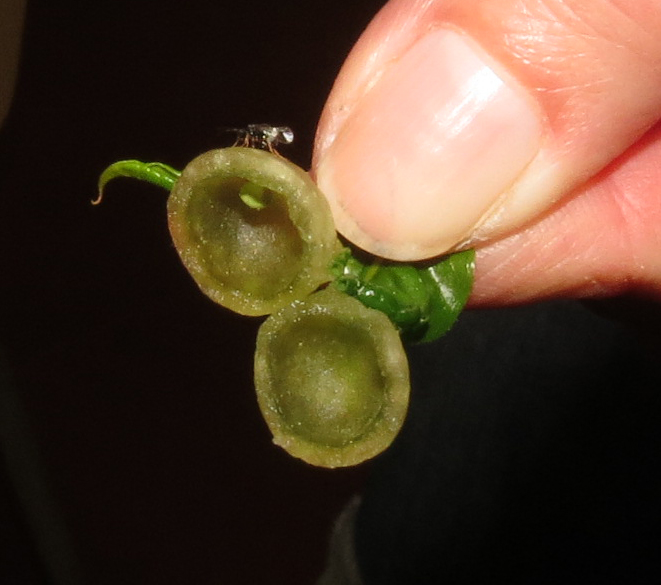
While a number of invertebrates form galls, this blog will be devoted to the gall-making wasp family: Cynipidae. Currently, there are over 80 taxa in the Cynipidae family in Maryland. These wasps typically parasitize plants in the oak (Fagaceae) and/or rose (Rosaceae) families. Some will go after other herbaceous plants, too. In general, gall formation results in more aesthetic damage rather than being a threat to the host plant. Interestingly, these galls can host more than just the gall makers- they sometimes can host inquiline gall wasps which can’t make their own galls (and occasionally eat the gall-forming wasp larvae) and/or can attract parasitoids which go after either the gall-making wasp and/or the gall inducer. I think the proper scientific phrase here is: #NatureIsCray.
In general, gall-making invertebrates are host specific, and Cynipid wasps are no exception. They use chemoreceptors to locate specific plant species. Females seek out the host plant, lay eggs, and then the young secrete chemicals to create the galls.
For a long time, gall wasp reproduction was poorly understood and was believed to be mostly parthenogenic (female clones) for several species. However, research over the years has found that their lifecycles are complex and often include an alternation of generations where one generation is parthenogenic and another reproduces sexually. To make things even more complicated- those that do it both ways will create different galls for the parthenogenic generations than the sexually reproducing generations!
Commonly Encountered Galls in Maryland
I feel like galls are relatively underreported but below is a list of five most reported wasp galls from Maryland Biodiversity Project records. If you are interested in a guide to galls, check out the FREE to download Field Guide to Common Plant Galls of the Mid-Atlantic. This resource from Penn State includes galls made by a variety of organisms, not just wasps.
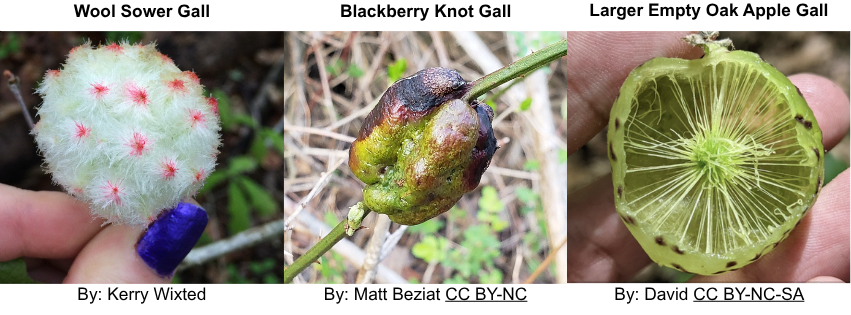
Wool Sower Callirhytis seminator
By far, my FAVORITE wasp gall is the wool sower gall which is a “wooly” white and pink blob that you can find on white oaks. The prime time to see this is May-June in Maryland. They remind me of Truffula trees from Dr. Seuss. It is single-chambered.
Blackberry Knot Gall Wasp Diastrophus nebulosus
This gall can present as brown, red, and/or green swelling along the stem of blackberries in the Rubus genus. This gall forms in summer through fall in Maryland but can be seen year-round on the stems of blackberries. It is multi-chambered.
Larger Empty Oak Apple Wasp Amphibolips quercusinanis
The first gall I learned was the apple oak gall made from the Larger Empty Oak Apple wasp. In April through early June, you can find the green, rounded galls on the ground that later turn brown and dusty. This gall forms on northern red oak and is single-chambered.
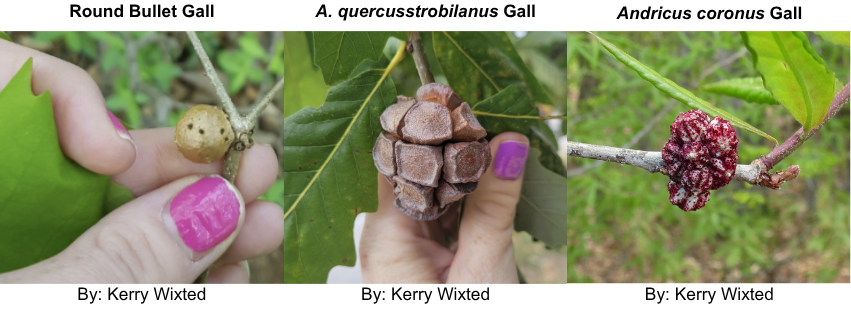
Round Bullet Gall Wasp Disholcaspis quercusglobulus
The wasp that forms the round bullet galls produces asexual and sexual galls. Pictured above is the typical form made by the asexual (female only) generation and presents itself as hard, brown balls on the stems of trees in the white oak group. The sexually reproducing generation makes a tiny gall that looks like an extra bud.
Andricus quercusstrobilanus
This gall-forming wasp doesn’t have an official common name, but it makes some wild-looking galls that are clustered and expand out like mushrooms with a flat-top. The gall is made by the asexual (female only) generation and is single-chambered. You can find them in late summer through fall in Maryland.
For funsies, I also included a picture of an Andricus coronus gall which I found on the eastern shore. These hairy, ribbed galls stand out with their maroon stripes. They are commonly found on oaks like water oak and pin oak and generally form in the spring in Maryland.
Final Fun Facts
It’s really hard not to write an entire novel for some of these blog posts! I will end this post with a few fun facts you can dive into more regarding galls as well as some resources for more information.
- Oak galls are high in tannins and can be used to make dark brown dyes. The Declaration of Independence was written in iron gall ink, made from oak gall tannic acid, iron, a binder, and a colorant.
- The scientific study of galls is known as cecidology.
- People have used different types of galls as therapeutics over time. You can read about Folkloric Usage of Plant Galls here.
- Galls often are an important winter protein source for birds. Chickadees and woodpeckers, in particular, have been documented feeding on goldenrod galls.
As you can probably see, the world of gall-making wasps is pretty diverse, and we are still learning about this fascinating group of insects. If you would like to learn more, check out the links below:
- A Selected Assortment of Oak Galls https://bygl.osu.edu/node/2243
- Field Guide to Common Plant Galls of the Mid-Atlantic https://scholarsphere.psu.edu/resources/29b454f1-fc0f-4927-bf06-2a1d42e456a8
- Gallformers website: https://gallformers.org/
- Unmitigated Gall Wasps in Maryland Webinar by Dr. Crystal Cooke: https://www.youtube.com/watch?v=De4FQsYf4dA